
Why Most Home Sales Feel Like a Battle You're LosingIf you've ever sold a house, you know the drill. It starts with excitement and ends with exhaustion.Here's how it typically goes:Week 1: You list

Dated: June 9 2025
Views: 62
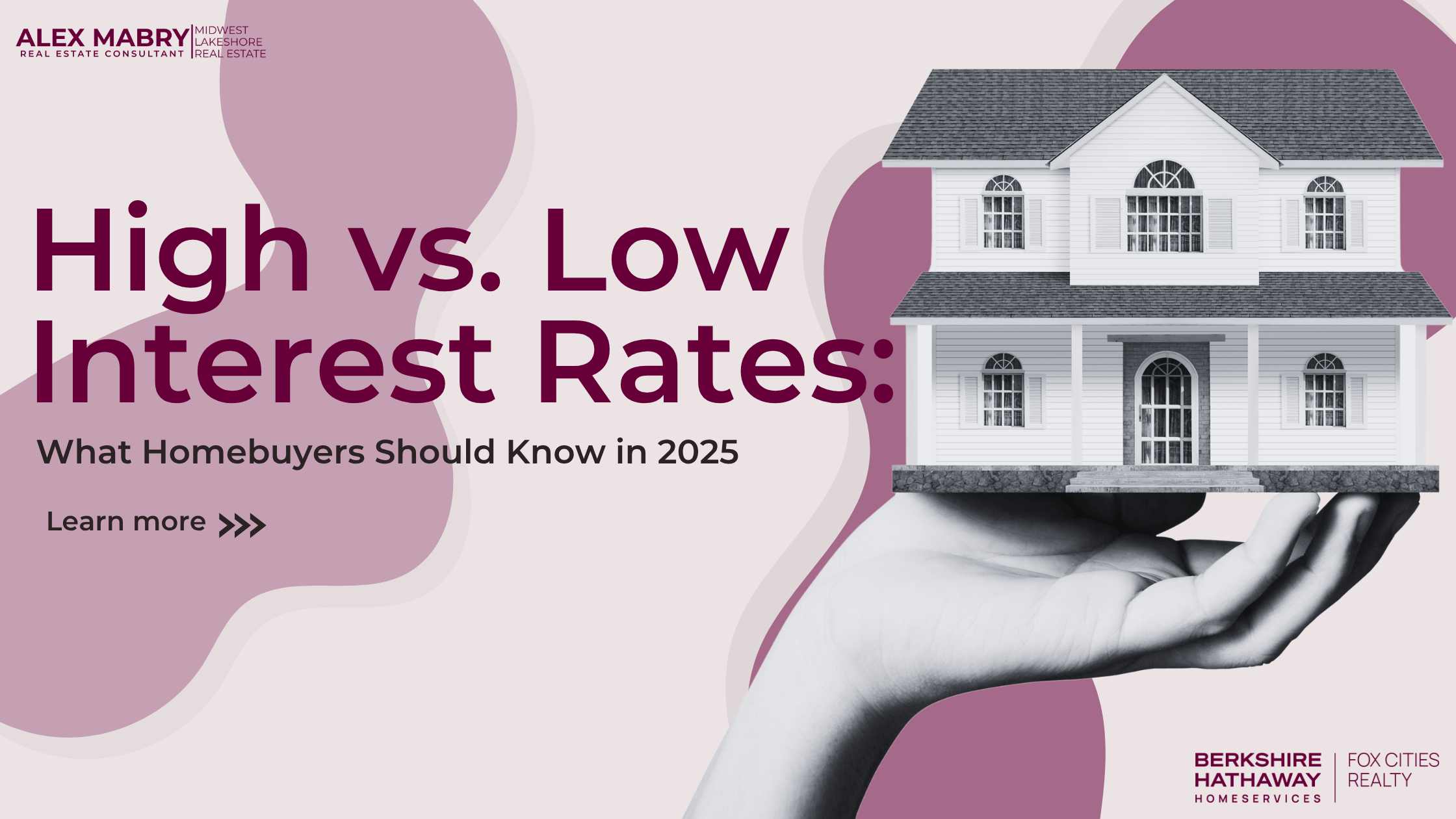
Learn how rising or falling interest rates affect your mortgage, savings, and home buying power. Simple, expert advice for 2025 real estate decisions.
Whether you're thinking about buying a home, refinancing, or just keeping an eye on your finances, interest rates play a big role in your decisions. But what actually happens when rates go up or down?
Let’s break it down in simple terms.
When interest rates rise, it becomes more expensive to borrow money. That means if you’re planning to buy a home, your monthly mortgage payment will likely be higher, and you may need to adjust your budget or consider a smaller loan.
But there are some upsides, too:
If you already have a fixed-rate mortgage, your monthly payment doesn’t change—even if everything else gets more expensive. This gives you stability and acts as a hedge against inflation.
Your savings work harder. Higher interest rates mean your savings accounts, CDs, and money market accounts will earn more interest. So, it's a good time to build up your cash reserves.
Downside?
All types of loans—like car loans, personal loans, and credit cards—become more expensive. That’s why it's smart to keep your debt low during high-rate periods.
Low interest rates make borrowing money cheaper. This is great news if you’re:
Buying a home – You can afford more house for the same monthly payment.
Refinancing – You may be able to lower your monthly payment, eliminate or reduce private mortgage insurance, or switch from a variable-rate to a fixed-rate loan.
Lower rates also make it easier to pay off your mortgage faster, if you choose to make higher payments.
But here’s the trade-off:
When interest rates are low, your savings earn less. That means savings accounts and other interest-based investments won’t grow as quickly.
There’s no one-size-fits-all answer. It depends on your personal goals.
Buying or refinancing a home? You’ll likely benefit from low rates.
Focusing on saving and investing cash? You might prefer a high-rate environment.
The key is understanding how interest rates impact different parts of your financial life—so you can make the best decisions no matter what the market is doing.
Whether rates are up or down, having a solid strategy makes all the difference. If you’re thinking about buying a home, refinancing, or just want some guidance, I’m here to help.
Reach out today and let’s talk about your options!

I am passionate about real estate! Growing up we moved around a lot, with a family of 7 my parents would find a diamond in the rough to transform into our family home, my allowance was earned helping ....
Why Most Home Sales Feel Like a Battle You're LosingIf you've ever sold a house, you know the drill. It starts with excitement and ends with exhaustion.Here's how it typically goes:Week 1: You list
When buying or owning a home, you’ll often hear about home warranties. Some homeowners swear by them, while others see them as unnecessary. So what exactly is a home warranty—and is it
Owning a home isn’t just about buying it—it’s about taking care of it year after year. Seasonal maintenance helps protect your investment, prevents costly repairs, and keeps
When you’re shopping for a home, interest rates can feel like just another number, but in reality, they play one of the biggest roles in determining how much house you can afford and what your
 REALTORS® Association of Northeast Wisconsin All information deemed reliable but not guaranteed. All properties are subject to prior sale, change or withdrawal. Neither listing broker(s), nor Berkshire Hathaway HomeServices Fox Cities Realty - Berkshire Hathaway Home Services, nor RANWMLS shall be responsible for any typographical errors, misinformation, misprints and shall be held totally harmless. Listing(s) information is provided for consumer's personal, non-commercial use and may not be used for any purpose other than to identify prospective properties consumers may be interested in purchasing. The data relating to real estate for sale on this website comes in part from the Internet Data Exchange program of the Multiple Listing Service. Real estate listings held by brokerage firms other than Berkshire Hathaway HomeServices Fox Cities Realty - Berkshire Hathaway Home Services may be marked with the Internet Data Exchange logo and detailed information about those properties will include the name of the listing broker(s) when required by the MLS. Copyright ©2026 REALTORS Association of Northeast WI MLS, Inc. All rights reserved. Last Updated: September 20, 2026 11:42 PM UTC
 REALTORS® Wisconsin Real Estate Exchange (WIREX). All information deemed reliable but not guaranteed. Information is supplied by seller and other third parties and has not been verified. All properties are subject to prior sale, change or withdrawal. Neither listing broker(s), nor Berkshire Hathaway HomeServices Fox Cities Realty - Berkshire Hathaway Home Services, nor WIREX MLS shall be responsible for any typographical errors, misinformation, misprints and shall be held totally harmless. Listing(s) information is provided for consumer's personal, non-commercial use and may not be used for any purpose other than to identify prospective properties consumers may be interested in purchasing. The data relating to real estate for sale on this website comes in part from the Internet Data Exchange program of the Multiple Listing Service. Real estate listings held by brokerage firms other than Berkshire Hathaway HomeServices Fox Cities Realty - Berkshire Hathaway Home Services may be marked with the Internet Data Exchange logo and detailed information about those properties will include the name of the listing broker(s) when required by the MLS. Copyright ©2026 Wisconsin Real Estate Exchange (WIREX) MLS, Inc. All rights reserved. Last Updated: September 20, 2026 11:38 PM UTC
